
Licencias de grado nuclear
Views : 1639
Update time : 2015-12-16 14:30:00
SHUANGYANG FAN obtuvo las licencias de fabricación y equipos de seguridad nuclear para ventiladores centrífugos y ventiladores axiales con una capacidad de 160000 m³/h o menos, lo que lo convierte en uno de los pocos fabricantes en China en obtener una licencia de ventilador de grado nuclear, lo que refleja plenamente el alto reconocimiento de las instituciones autorizadas para el proceso de fabricación y el control de calidad.

Licencias de diseño para equipos de seguridad nuclear civil

Licencias de fabricación de equipos de seguridad nuclear civil
相关新闻
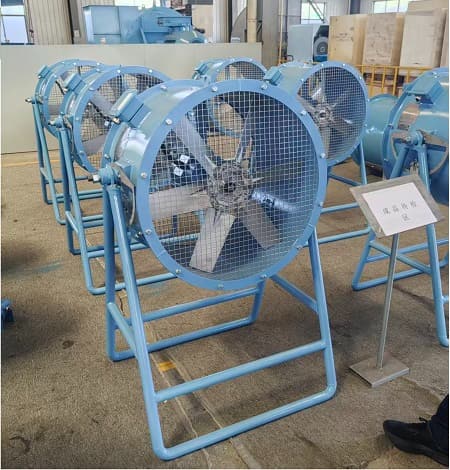 Mancooler (Workstation) Fans — Why Your Factory Needs the Right One
Oct 23,2025
A mancooler (often written “man cooler” or called a workstation fan / spot cooling fan) is a rugged, high-velocity axial fan designed to deliver targeted airflow to individual workers or localized work zones in industrial environments — think foundries, welding booths, assembly lines and warehouse picking stations.
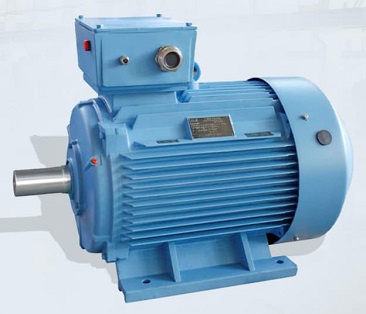 Motor Classifications in Industrial Fans
Sep 01,2025
The performance, safety, and energy consumption of a fan largely depend on the motor’s specifications. To make informed decisions, it is important to understand the key classifications of fan motors, including temperature rise class, insulation class, efficiency class, protection class (IP rating), explosion-proof class, etc..
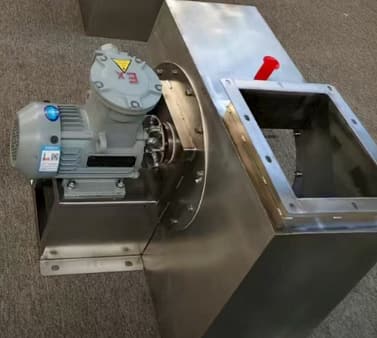 Materials for Explosion-Proof Fan
Aug 27,2025
Explosion-proof fans are critical components in industries where flammable gases, vapors, or combustible dusts are present. Choosing the right explosion-proof fan materials is not only about durability but also about preventing ignition sources in hazardous areas.
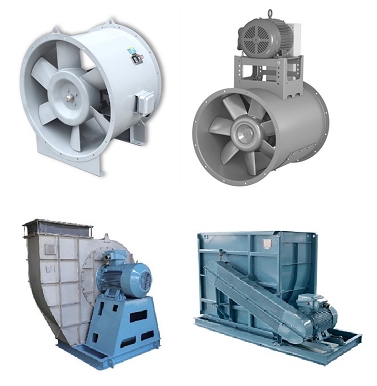 Direct Drive vs. Belt Drive in Axial Fan and Centrifugal Fan
Aug 22,2025
For long-term efficiency and reliability, direct drive is usually the better option—especially in modern HVAC systems. For flexibility and adjustability, belt drive still plays an important role, particularly in industrial applications where performance requirements may change.