
Integration of Smoke Exhaust Fan and Fire / Smoke Damper
Smoke Exhaust Fan, Fire Damper, Smoke Damper, and Fire Smoke Damper are essential elements in a building’s passive and active smoke-control infrastructure.
1. Smoke Exhaust Fan
A smoke exhaust fan is a mechanical device that extracts smoke and hot gases from a structure during a fire.
Key Functions
-
Smoke evacuation: Automatically starts during fire alarms to clear smoke and improve visibility and air quality.
-
Pressure management: Helps create negative or positive pressure zones to prevent smoke migration among compartments.
-
High-temperature performance: Designed for sustained operation under elevated temperatures.
Design Considerations
-
Heat-rated motor and components: Must withstand exposure to high-temperature, soot-laden smoke.
-
Robust housing design: Ensures structural integrity under fire conditions.
-
Control connections: Tied into fire alarm or building management systems for staged activation.
2. Fire Damper
A fire damper is a passive safety device installed in HVAC ductwork (usually on the return air duct of the ventilation and air-conditioning system) to prevent fire spread via ducts. It meets the requirements of smoke leakage and fire resistance integrity within a certain period of time, and plays a role in smoke isolation and fire prevention. Fire dampers are generally composed of frame, blades, actuators and temperature sensors.
Operating Principle
-
Heat-triggered closure: Equipped with fusible links that melt at a set temperature (e.g., 70 °C), releasing the mechanism to close and seal the duct. The action temperature of the fire damper can be adjusted according to the location of the installation. For example, when installing a fire damper in the kitchen exhaust pipe, a fire damper with an action temperature of 150°C should be installed.
-
Fire containment: Upon activation, blocks flame and hot gases from penetrating fire-rated barriers.
Installation
-
Mounted where ductwork passes through fire-rated walls, floors, or ceilings.
-
Normally remains open during regular operation, enabling airflow until a fire is detected.
3. Smoke Damper
A smoke damper is focused on controlling smoke migration, not necessarily fire containment. The smoke damper is installed at the end of each branch pipe (smoke suction port) of the mechanical smoke exhaust system. It is usually closed and meets the air leakage requirements. In the event of a fire, it responds to smoke detectors or fire-system signals and can be opened and closed manually or electrically to serve as a smoke exhaust damper. Routine testing of the smoke damper ensures reliability in emergencies.
4. Fire Smoke Damper
Combines the roles of fire damper and smoke damper, offering dual protection. The fire smoke damper is installed on the smoke exhaust pipe of the mechanical smoke exhaust system or the inlet pipe of the smoke exhaust fan. It is usually open. When the smoke temperature in the smoke exhaust pipe reaches critical temperature (e.g., 280℃) during a fire, it will close. It can meet the smoke leakage and fire resistance integrity requirements within a certain period of time, and play a role in isolating smoke and preventing fire. As well, routine testing of the fire smoke damper ensures reliability in emergencies.
5. Practices in Design & Integration
-
Control coordination: Fans and dampers should communicate via fire-alarm or building-control systems for seamless action.
-
Fail-safe mechanisms: Dampers should default to safe positions when power is lost.
Maintenance: Regular inspection, actuation testing, and thermal performance checks are critical for the building fire smoke control systems.
Conclusion
Smoke exhaust fan, fire damper, smoke damper, and fire smoke damper each fulfill distinct, vital roles in smoke control systems.
Their coordinated operation ensures comprehensive fire and smoke containment—critical to occupant safety and structural protection.
SHUANGYANG FAN Solution:
If you're planning projects involving smoke control—whether retrofits or new builds—our team offers:
Tailored solution and support for smoke exhaust fan and damper coordination.
Contact us today to enhance your system reliability and safety integration with our quality smoke exhaust fan, fire damper, fire smoke damper.
Note: The content of the article cannot avoid omissions and errors. Welcome to propose corrections.
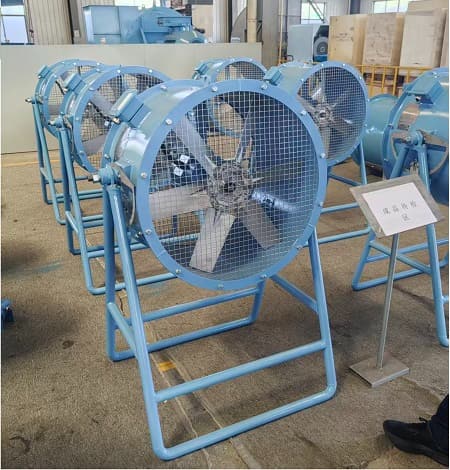 Mancooler (Workstation) Fans — Why Your Factory Needs the Right One
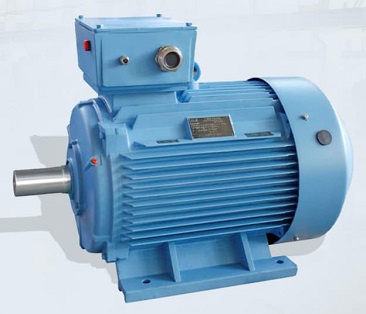 Motor Classifications in Industrial Fans
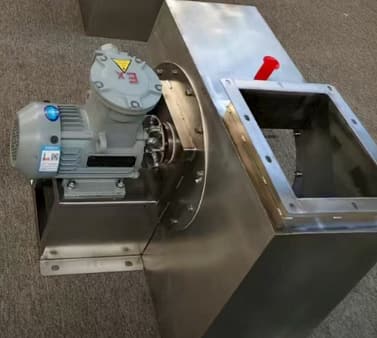 Materials for Explosion-Proof Fan
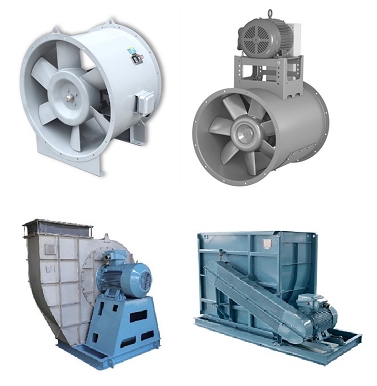 Direct Drive vs. Belt Drive in Axial Fan and Centrifugal Fan